
Can Upgrading to a Monocoque Carbon Bike Stem Shave Crucial Grams Off Criterium Race Bikes?

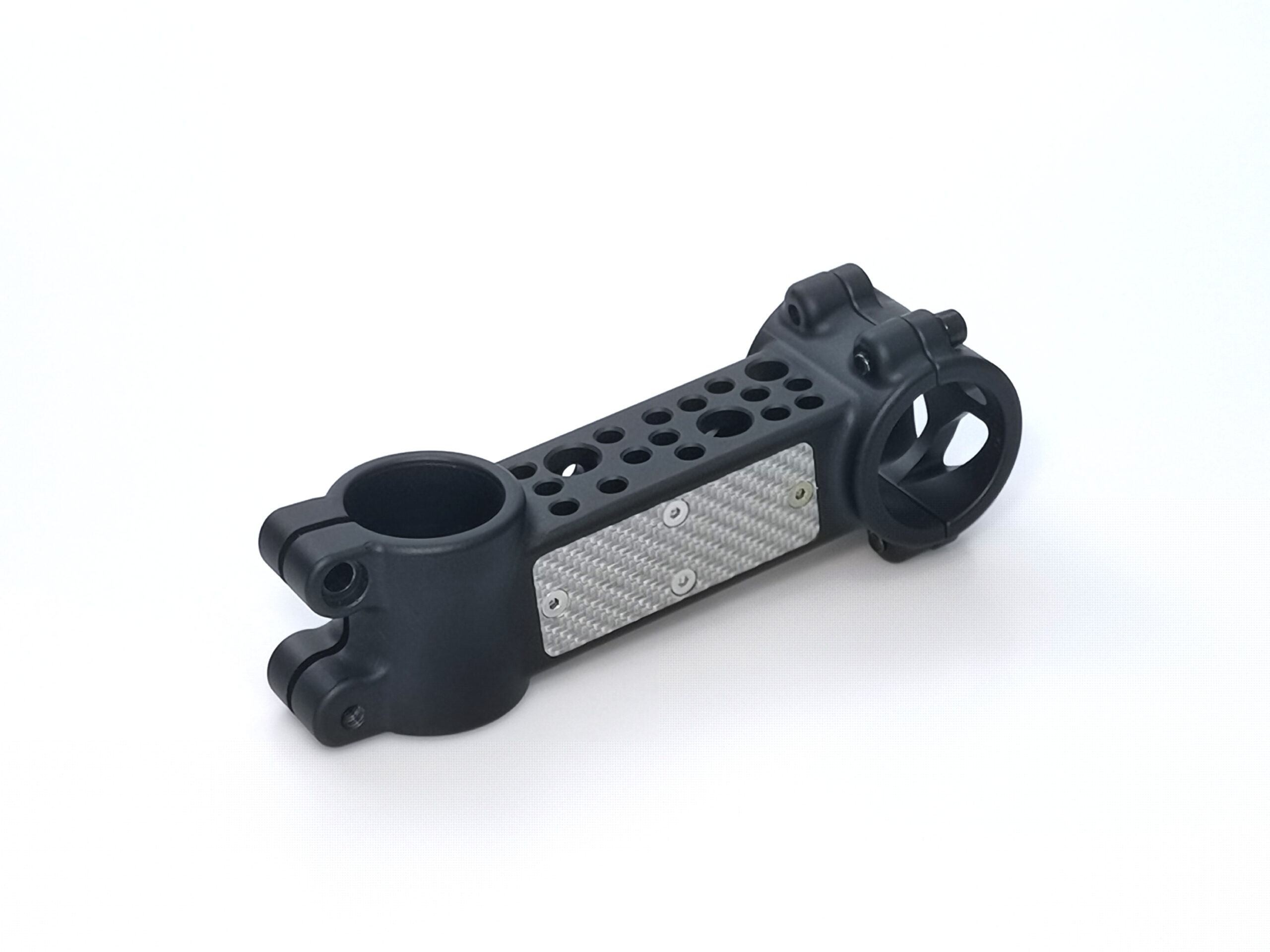
Criterium racing demands absolute mechanical perfection from your bicycle setup. Crit racers push their equipment to the absolute limit during tight, high-speed cornering maneuvers. Consequently, every single gram matters when you accelerate out of sharp textbook corners fifty times per race.
To gain a competitive edge, serious riders look closely at cockpit optimization solutions. Many competitive cyclists now upgrade their cockpits with a premium carbon bike stem. This structural modification removes unnecessary front-end weight while improving handling precision during tense racing conditions.
This deep dive examines how composite materials lower overall vehicle mass. Furthermore, we analyze the structural engineering benefits driving modern bicycle cockpit design.
The Intense Demands of Competitive Criterium Racing
Crit racing features non-stop explosive accelerations and radical directional changes on tight street circuits. Standard aluminum cockpits often introduce unwanted weight and subtle flex during aggressive out-of-the-saddle sprinting efforts. This mechanical inefficiency slows your bike acceleration down, wasting valuable muscular energy over an hour of racing.
Furthermore, heavy front-end components slow your steering responses down when navigating through a crowded peloton. Traditional alloy stems transmit harsh road vibrations directly into the rider’s hands and wrists. Ultimately, muscle fatigue lowers your sprinting power and compromises safety during the final chaotic lap.
Fortunately, upgrading to high-end lightweight crit racing components eliminates these performance barriers completely. Changing your standard cockpit components transforms how your road bike handles demanding race courses.
Analyzing Monocoque Carbon Stem Weight Savings
The Power of One-Piece Composite Manufacturing
Traditional carbon components often utilize aluminum internal sleeves or heavy bonded joint sections. These multi-piece construction methods add hidden grams to the finished product.
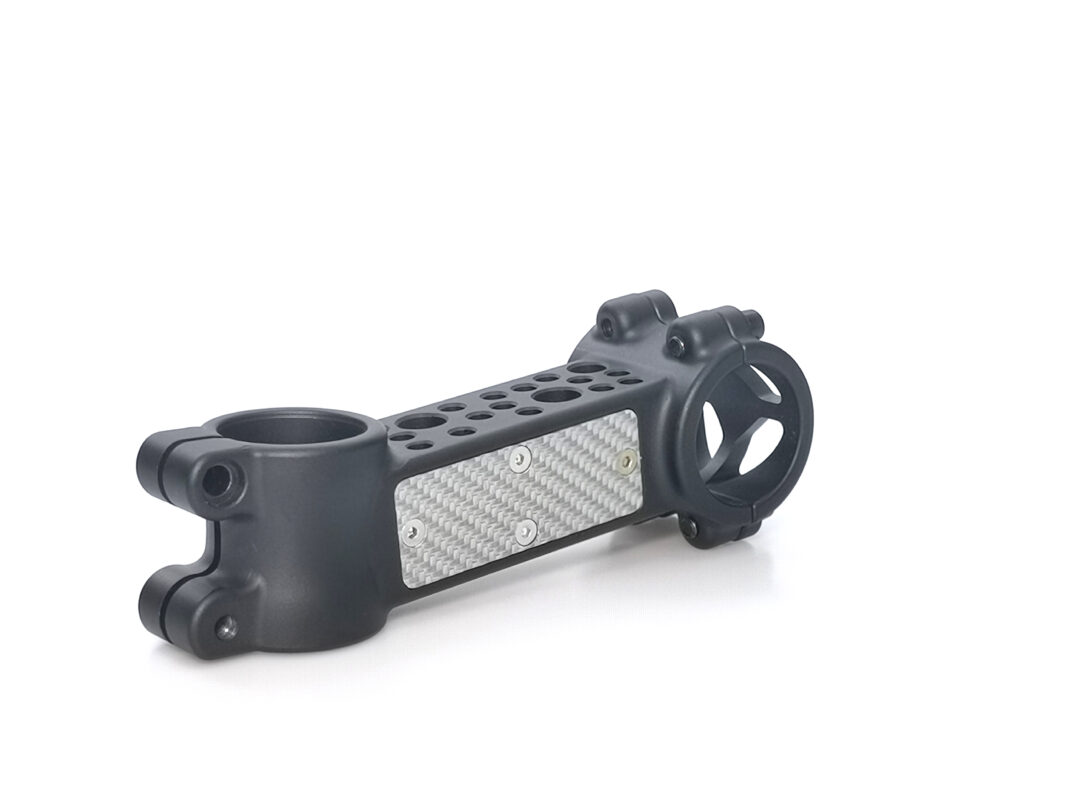
In contrast, true monocoque manufacturing molds the entire component structure from continuous carbon sheets simultaneously. This specialized process creates an incredibly uniform hollow structure without overlapping material seams. Consequently, minimizing fluid resin buildup lowers the total monocoque carbon stem weight significantly.
You save roughly thirty to fifty grams compared to standard aluminum alternatives. This weight reduction feels immediately apparent when rocking the handlebars side-to-side during high-wattage sprint finishes.
Shaving Rotational Mass for Faster Steering
Front-end weight reductions yield major handling advantages on highly technical criterium circuits. Removing weight from the steering axis lowers the physical force required to change tracking lines.
Your bicycle responds to subtle body shifts much quicker, allowing you to slice through tight gaps cleanly. This agile handling helps you hold the perfect racing line through fast off-camber apexes.
Maximizing Torsional Stiffness for Explosive Sprinting
Eliminating Cockpit Flex Under High Wattage
Sprinting for the prime line requires racers to pull violently on the handlebars with immense upper-body force. A flexible alloy stem twists under this sudden load, wasting precious energy.
High-modulus carbon fiber sheets allow engineers to weave specific directional stiffness into the component walls directly. This carbon layout resists lateral twisting forces perfectly under maximum muscle loads. Therefore, your cockpit transfers every ounce of physical energy straight into forward momentum.
True Steering Precision in High-Speed Corners
Entering a ninety-degree turn at fifty kilometers per hour requires complete trust in your front wheel tracking. A flexing cockpit causes the front tire to drift off-line slightly.
Investing in high-quality stiff road bike cockpit upgrades keeps your steering tracking perfectly straight. The front end stays rock-solid, allowing you to hold tight inside lines confidently without scrubbing off speed.
Dampening High-Frequency Road Vibrations naturally
Reducing Forearm Muscle Fatigue
Rough city streets and cracked asphalt surfaces transmit continuous high-frequency vibrations through the bicycle frame. Aluminum components conduct these harsh road shocks directly into your palms.
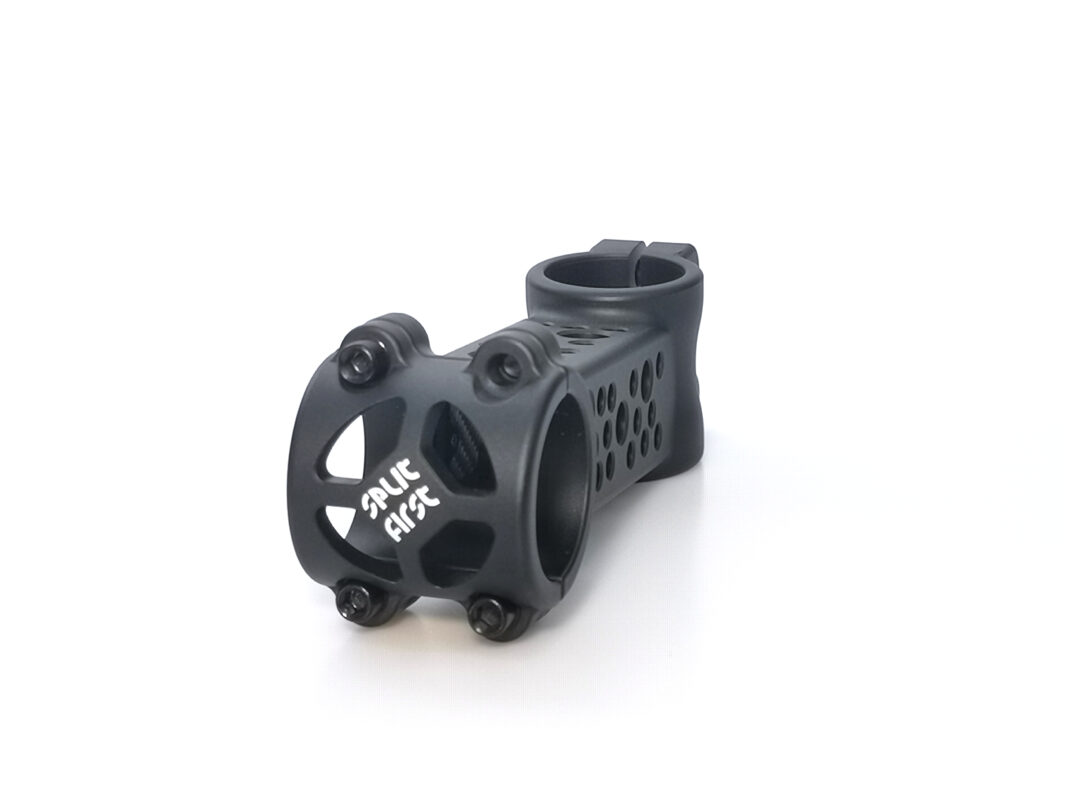
Carbon fiber possess natural vibration-dampening properties due to its complex composite structure. The material absorbs micro-shocks before they reach your hands, keeping your upper body relaxed.
Consequently, you avoid numb fingers and forearm muscle pump during long, punishing criterium events. This physical savings leaves your arms feeling fresh for the final bunch sprint.
Enhancing Front Wheel Traction Stability
A bouncing handlebar reduces front tire contact pressure on uneven cornering surfaces. Carbon dampening properties help stabilize the front wheel tracking over rough pavement.
This improved tire contact patch keeps your front wheel glued to the road surface during tight cornering. You maintain higher cornering speeds safely without slipping out on loose urban grit.
Crucial Installation Guidelines for Carbon Cockpit Components
Utilizing Exact Torque Values Carefully
Carbon fiber composite materials require highly precise handling during workshop assembly processes. Overtightening steel faceplate bolts can crush the internal carbon walls easily.
Always use a calibrated torque wrench to tighten bolts exactly to manufacturer specifications. Most professional carbon components require a maximum fastening pressure of five Newton-meters. Applying specialized carbon assembly paste prevents component slippage at lower torque settings safely.
Verifying Handlebar Clamping Compatibility
Not all handlebar and stem combinations share identical clamping profiles and tolerances. Mismatched components create high-stress contact points that lead to sudden material failures.
Ensure your new carbon bike stem matches your handlebar diameter perfectly before heading out to race. Working with certified carbon fiber bicycle cockpit parts guarantees secure interface connections and long-term racing safety.
Conclusion
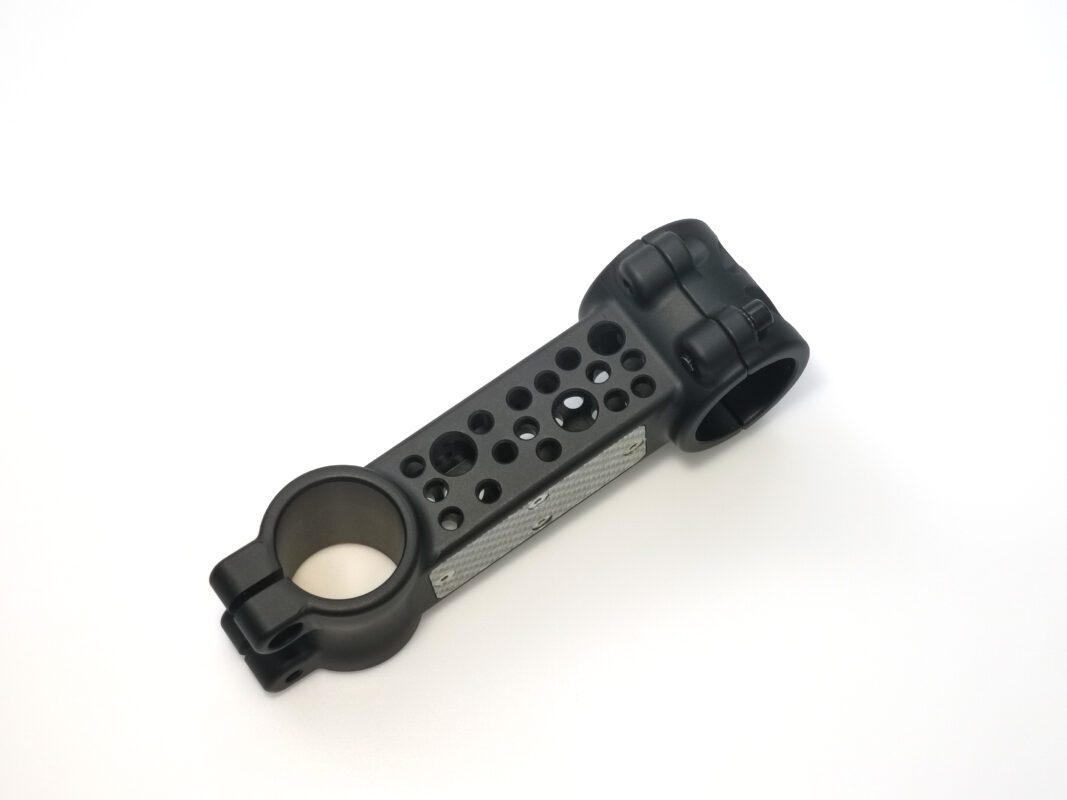
Shaving grams off your race machine ensures a clear competitive advantage in modern amateur criterium racing. Upgrading your cockpit to a premium monocoque component solves multiple performance challenges simultaneously.
Advanced composite designs eliminate steering lag, optimize energy transfer, and damp harsh road vibrations cleanly. These smart engineering upgrades transform your raw physical power into lightning-fast forward acceleration.
Ultimately, lighter components reduce physical fatigue while maximizing your high-speed cornering confidence. Partner with a proven cycling equipment specialist to upgrade your racing bike infrastructure today. Contact our technical team to select your custom cockpit solutions.