
How Does a short mountain bike stem Optimize Handling Response on Steeps and Technical Trails?

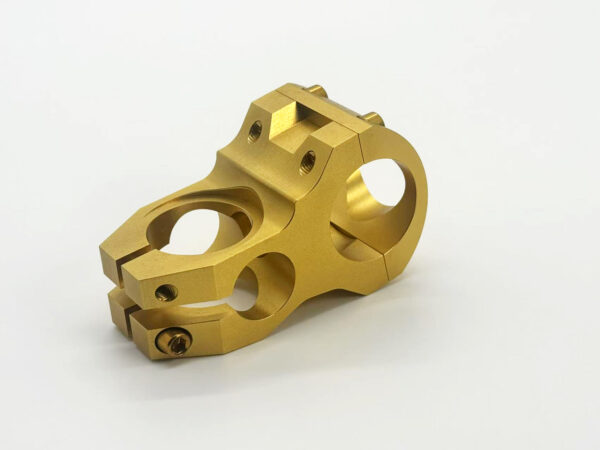
Executive Summary: Mechanical Cockpit Reductions Deliver Total Downhill Steering Control
Upgrading to a dedicated short mountain bike stem yields an immediate improvement in steering agility on aggressive terrain. Indeed, swapping out long, outdated cockpit setups completely removes the sluggish steering response that compromises confidence on drops.
Achieving snappy technical trail handling response requires moving your hands closer to your fork steering axis line. Consequently, this mechanical alteration quickens steering inputs, stabilizes high-speed tracking, and balances front wheel traction perfectly.
[Old 90mm Long Stem]  ---> Slow Tiller Effect Steering ---> Offsets Center of Mass ---> High Risk of Endos
[Modern 35mm Short Stem] -> Instant Pivot Reflexes    ---> Keeps Weight Centered  ---> Confident Steep Control
Therefore, refining your handlebar extension distance represents the smartest geometry tuning choice for trail riders today. Continuing to use long cross-country stems on downhill tracks simply slows your reaction speeds, destroying cornering traction.
This analytical mountain bike setup brief presents our engineering conclusions first, then explores underlying physics principles. We will evaluate dynamic weight distribution shifts, tiller effect elimination, and the commercial value of short reach parts below.
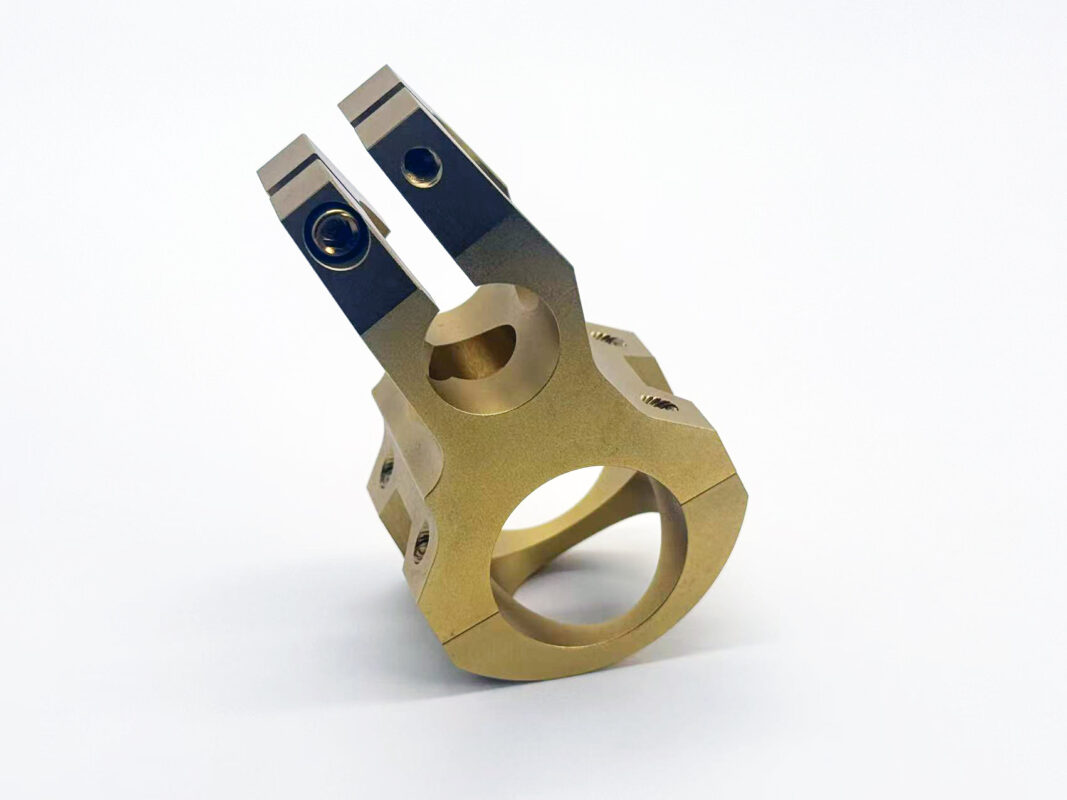
Eliminating the Lazy Tiller Effect in Tight Singletrack Switchbacks
Every aggressive rider understands the intense frustration of wrestling a lazy front wheel through sudden, tight corners. Long traditional stems create a wide steering arc that trail builders call the annoying tiller effect.
When your steering stem layout extends too far forward, your hands must swing wide to turn the tire. Utilizing a modern short mountain bike stem completely fixes this lag by shortening the turning pivot path.
This compact setup converts small hand movements into instant front wheel tracking adjustments on the trail surface. Furthermore, this rapid mechanical translation allows you to slice through dense boulder fields without tracking off-line.
You navigate tight tree gates with absolute precision, carrying much more physical momentum through your favorite local segments. Your front end reacts to inputs instantly because your bars rotate directly around your fork steeper tube.
Maintaining Perfect Body Weight Distribution on Vertically Steep Drops
True downhill confidence relies heavily on keeping your center of mass balanced safely between your spinning wheels. Outdated long cockpits pull your torso forward, pitching too much weight straight over your front axle assembly.
Deploying a precise short reach mountain bike cockpit repositions your resting chest posture into an optimal descending stance. This physical shift lets you drop your hips low behind the saddle without locking out your elbows.
[Hands Placed Far Forward] --> Chest Pulled Down Low --> Limits Arm Extension Scope --> Front Wheel Tucks Under
[Hands Brought In Close]   --> Hips Drop Back Easily --> Maximizes Arm Flex Travel  ---> Front Tire Absorb Drops
Furthermore, this balanced stance prevents your fork from diving completely into its travel during heavy front braking. Your front suspension stays active through deep rock steps, keeping your tire knobs pressed firmly into dirt corners.
You maintain constant steering control across steep, loose scree fields without experiencing terrifying over-the-bars sensations. The shorter cockpit acts as an absolute safety guarantee when trails drop away into vertical rock chutes.
Enhancing Front End Rigidity with a CNC Machined Alloy MTB Stem
Conquering aggressive enduro tracks requires a cockpit assembly that completely resists twisting forces under heavy vertical landing impacts. Long, thin metal stems flex noticeably when you wrestle wide handlebars through deep, muddy ruts.
Upgrading to a high-quality CNC machined alloy mtb stem delivers the absolute steering stiffness that modern trail riding demands. These dense, aircraft-grade aluminum blocks feature ultra-wide handlebar clamping faces that minimize bar slippage risks completely.
- Aircraft Grade 6061 Aluminum: Provides incredible structural yield strength while reducing unnecessary front end weight.
- Wide Zero-Gap Faceplates: Distribute bolt clamping torque evenly to prevent fracturing delicate carbon fiber handlebars.
- Low Stack Height Profiles: Allow riders to slam their bar heights down for aggressive cornering body positions.
- Beveled Internal Radii: Eliminate sharp stress concentration points that cause handle bar failure over time.
Selecting Your Ideal Stem Extension Length
Achieving ultimate trail control requires matching your stem extension length to your frame’s specific reach measurements. Learn more about measuring frame geometry metrics to prevent ruining your seated climbing posture on long transfers.
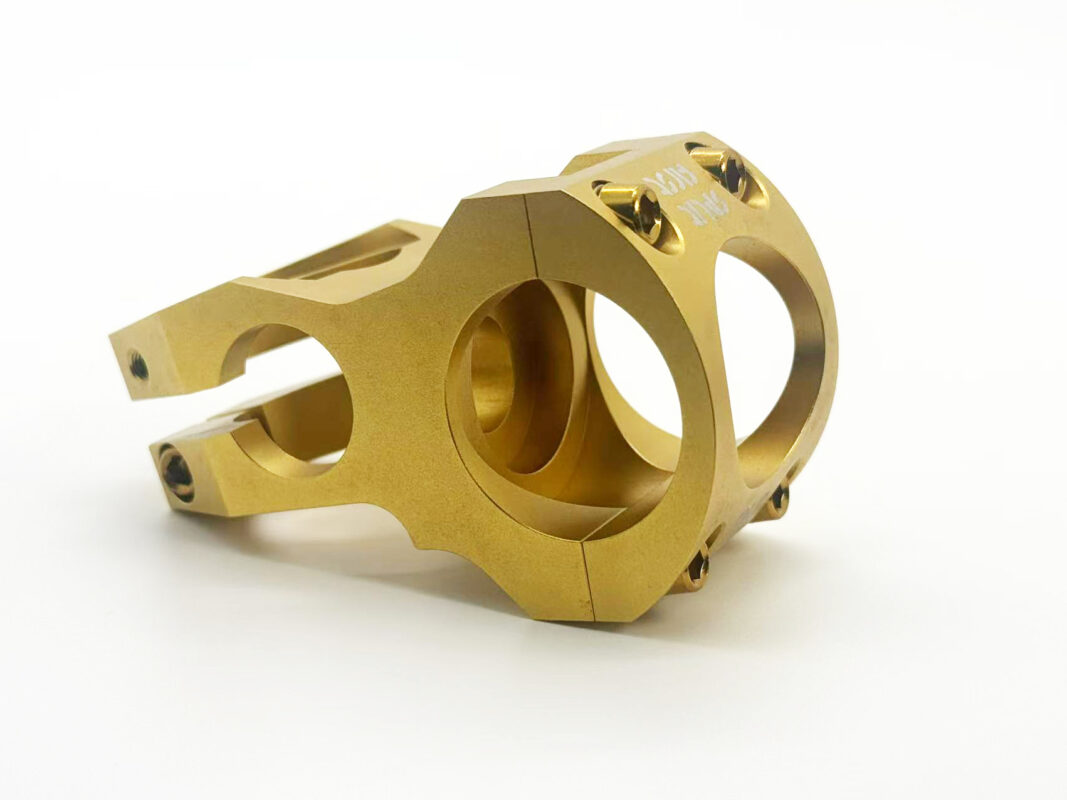
Correcting Frame Handling Quirks with a Mountain Bike Steering Geometry Fix
Modern trail bike designs feature incredibly slack head tube angles that excel at high down-hill trail speeds. However, this lazy fork angle causes the front tire to flop lazily at slow climbing speeds.
Implementing a targeted mountain bike steering geometry fix restores nimble low-speed handling traits without ruining high-speed stability. The shorter stem counteracts fork flop by accelerating your handle bar rotational leverage metrics.
Trail Geometry Insight: Bringing your bars closer to the steering axis reduces the physical effort required to lift your front tire. You can hop logs and manual water bars effortlessly because your cockpit leverages are optimized.
Additionally, this compact handlebar position prevents your front tire from wandering off-track during steep, punchy technical climbs. You maintain cleaner line choices through rocky ascents, keeping your pedaling power moving forward smoothly. Read our bike setup guide on balancing cockpit weight distributions to maximize your technical climbing efficiency.
[Slack Head Angle + Long Stem] ---> Lazy Wheel Flop Climb ---> Tire Sweeps Off Line  ---> Stalls Your Bike Momentum
[Slack Head Angle + Short Stem] --> Quick Steering Pivot   ---> Holds Line Patterns  ---> Powers Up Rocky Ascents
The True Value of Investing in Professional Cockpit Components
Purchasing premium mountain bike cockpit components delivers immense long-term performance benefits for dedicated trail riders. Successful riders avoid cheap unbranded factory stems to secure components that survive severe rock strikes.
First, uniform metal machining reduces the risk of ovalizing your expensive fork steerer tube over years of riding. When your stem interfaces perfectly with your fork, your headset bearings wear out much slower. This mechanical precision protects your tight bike maintenance budgets.
Second, a beautifully finished anodized stem looks like an exotic custom upgrade on your mountain bike frame. You build a highly personalized ride setup that holds its financial resale value across local trading marketplaces. Your equipment matches your growing technical skill sets perfectly.
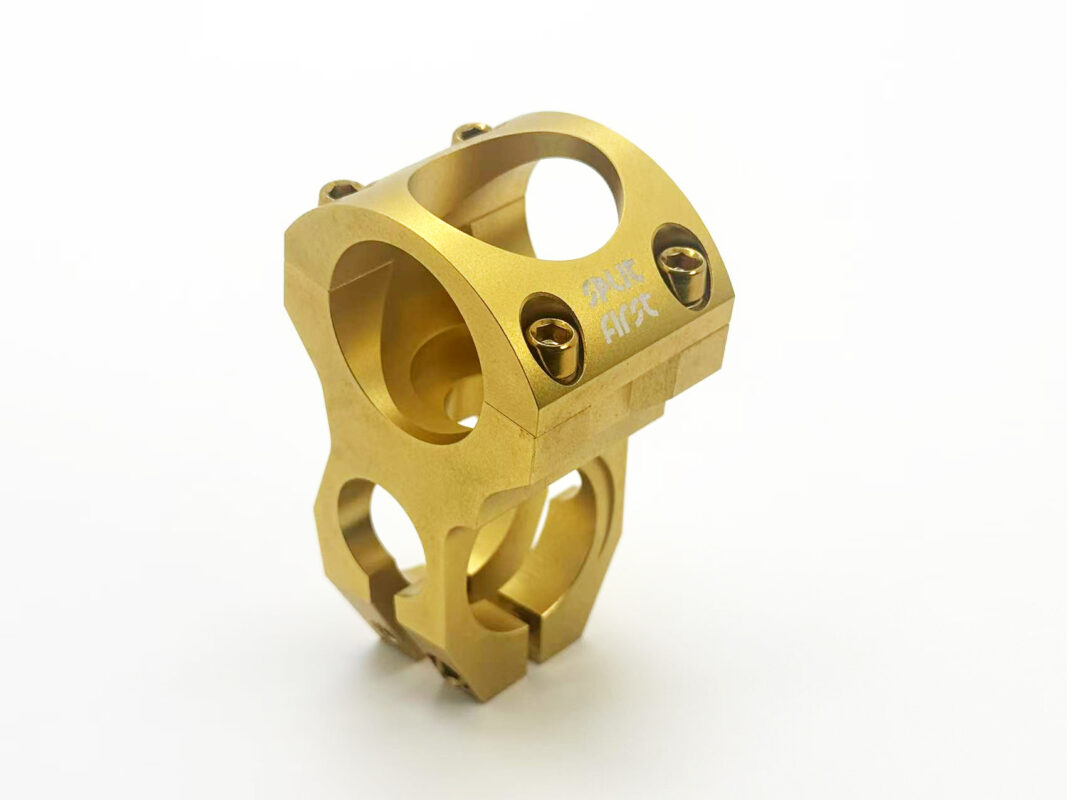
Transform Your Downhill Trail Experience Today
Looking back at our original geometry analysis, the workshop data proves short stems are absolutely mandatory. Shortening your cockpit extension completely removes the sluggish steering traits that destroy confidence on steep tracks.
By choosing a dependable short mountain bike stem, you take absolute control over your bike handling traits. Relying on an optimizedtechnical trail handling response ensures your bike handles exactly like a precision downhill weapon. Invest in a professional-grade short stem today to protect your line choices, save energy, and conquer steep trails.