
How Does a Lightweight Bicycle Stem Improve Climbing Efficiency on Steep Gradients?

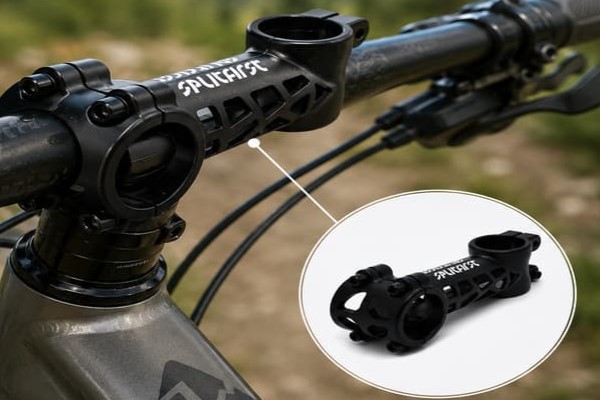
Serious competitive road cyclists and mountain bikers constantly chase incremental mechanical advantages during grueling vertical ascents. Confronting severe double-digit road inclines forces a rider to fight directly against severe gravitational drag constantly.
Consequently, excess dead weight resting on the front cockpit ruins a rider’s uphill forward momentum rapidly. Flimsy stock components and heavy steel components flex heavily, wasting precious muscular energy during high-torque pedal strokes.
Fortunately, modern advanced component engineering offers an immediate physical solution for these energy loss problems. Wise cyclists can install a premium lightweight bicycle stem to unlock maximum power transfer on tough roads.
This comprehensive mechanical analysis details how upgraded cockpit components maximize your climbing efficiency on steep gradients. We will explore front-end weight reduction mechanics, rotational steering dynamics, and smart cockpit rigidity optimization.
1. The Physics of Frontend Weight in Mountain Climbing
Every single gram of static bike component weight matters immensely when roads tilt up aggressively past ten percent. Heavy metal components positioned far over the front wheel hub alter the bike’s center of gravity negatively.
When you stand up out of the saddle to hammer up a hill, you rock your handlebars side-to-side. Moving a heavy stock cockpit component side-to-side drains valuable stamina, causing upper body fatigue much faster.
Therefore, decreasing the static mass of your front control center actively enhances your personal power metrics. Upgrading your cockpit component choice delivers an immediate, noticeable improvement in how light the front wheel feels. You save significant aerobic energy over long alpine climbs while keeping your body tracking perfectly straight forward.
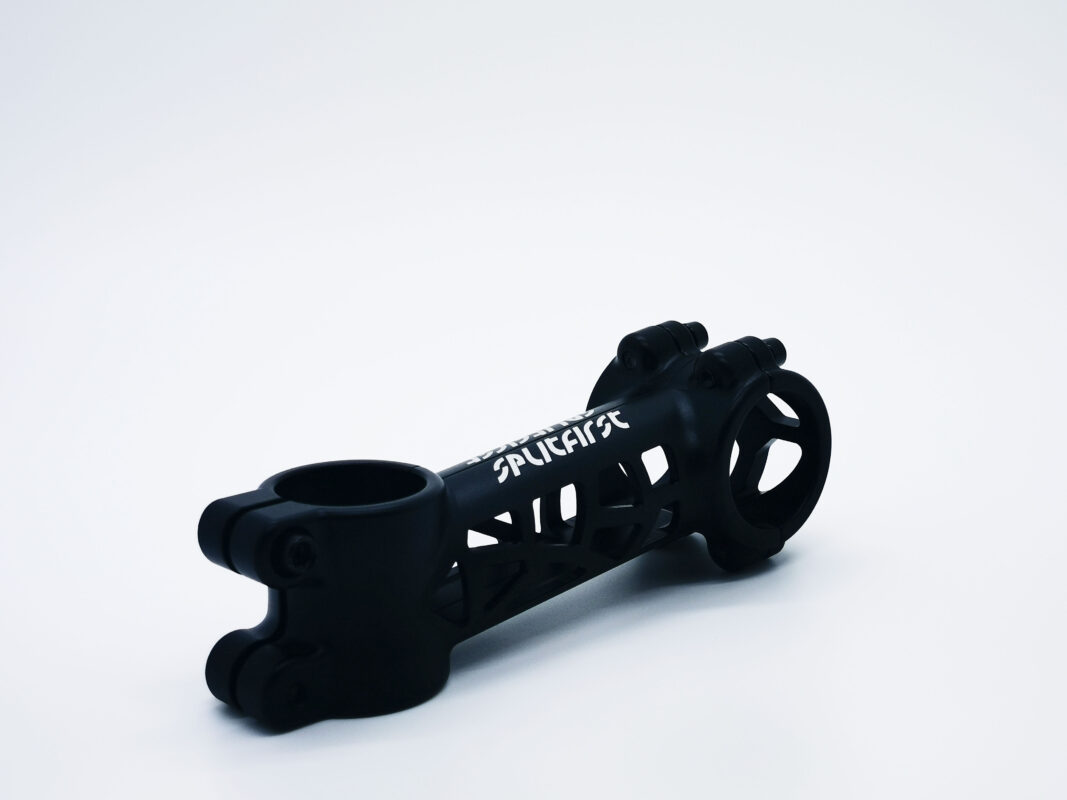
2. Eliminating Energy Waste with High End Carbon Bike Stem Choices
Many recreational bike riders assume that shaving eighty grams off a small component yields zero real-world results. However, experienced endurance racers understand that front-end component flexibility secretly steals vital watts during vertical efforts.
Utilizing an elite high end carbon bike stem solves this underlying flexibility problem by introducing advanced composite layouts. Modern premium carbon manufacturing weaves continuous carbon filaments under extreme hydraulic pressure to create incredible directional stiffness.
Furthermore, advanced carbon fiber matrices dampen harsh road chatter from rough gravel surfaces before it reaches your hands. This natural vibration damping protects your wrists, keeping your upper arms relaxed during long mountain cycling tours.
| Cockpit Material Type | Tensile Strength | Overall Weight Profile | Shock Damping Ability |
| Ultra-Light 3D Carbon | Exceptionally High | 105 grams to 115 grams | Outstanding Performance |
| CNC T6 Aluminum | High Structural Stiffness | 135 grams to 155 grams | Moderate Road Feel |
| Standard Forged Alloy | Medium Performance | 190 grams to 220 grams | Low Vibration Absorption |
3. Optimizing Control with a Rigid Aluminum Cycling Cockpit Upgrade
Of course, carbon fiber does not represent the only premium pathway toward achieving a super-light bike setup. Many technical downhill racers prefer specialized metal configurations for extreme high-impact riding environments.
Executing a smart rigid aluminum cycling cockpit upgrade utilizes aerospace-grade 7075-T6 aluminum alloys to achieve low weight thresholds. Specialized factory milling machines carve away excess metal from non-structural zones to create elegant, hollowed-out internal core architectures.
Instead of adding unnecessary bulk, precision CNC machining maximizes wall thickness only along the high-stress clamping areas. This strategic metal placement delivers absolute steering safety while removing painful burden from your steep ascent times.
- Aerospace CNC Milling: Removes heavy interior raw metal bulk without sacrificing the critical component shear strength boundaries.
- Four-Bolt Faceplates: Distributes handle gripping clamping stress evenly across thin-walled carbon handlebar structures safely.
- Titanium Hardware Bolts: Replace heavy standard steel faceplate screws to drop additional precious metric grams.
- Anodized Weather Finishes: Defend the metal substrate from salty sweat corrosion during intense hot summer training.
Selecting the Right Stem Length and Angle Configuration
Achieving an optimal climbing posture requires choosing a component extension profile that aligns with your torso size. Learn more about selecting ideal bicycle stem length metrics to prevent lower back pain during long endurance events.
4. Why Weight Saving Bicycle Parts Redefine Your Trail Times
The total mechanical efficiency of any premium bike build relies on minimizing rotational and directional steering mass. Every single control movement you execute on a rocky trail requires moving your entire front assembly smoothly.
Investing in premium weight saving bicycle parts alters the underlying handling behavior of your machine completely. Your bike responds instantly to tiny body weight shifts, darting through technical uphill singletrack trails cleanly.
Expert Bike Fitting Insight: Dropping weight from the steering cluster stabilizes your front tire footprint. This extra stability keeps your front rubber gripping the dirt firmly during slow-speed mountain ascents.
Additionally, lightweight components balance your weight distribution, stopping the front tire from lifting off the ground abruptly. You maintain steady traction on loose dirt slopes, avoiding wasteful tire spinning cycles permanently.
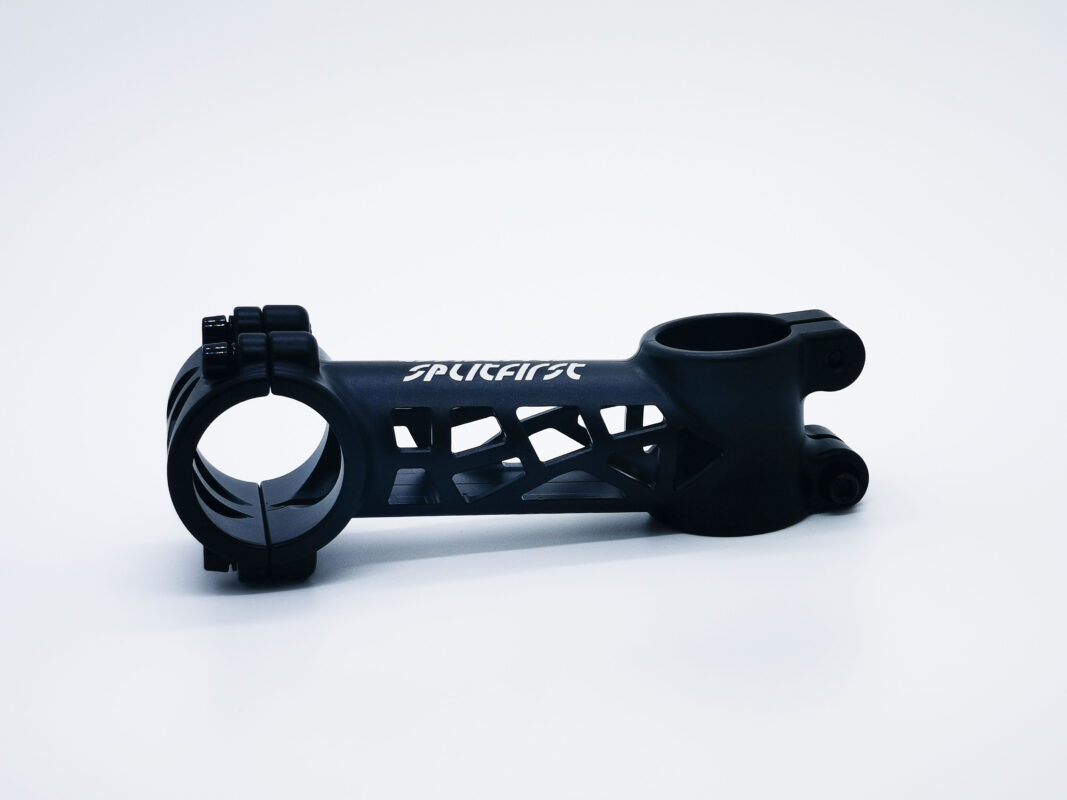
5. 4 Steps to Install Your New Upgrade Component Safely
Upgrading critical front-end steering components requires an exact, methodical workshop procedure to protect your carbon parts.
1.Remove the Existing Faceplate and Handlebar Body Safely:Teardown Preparation.
Unscrew the four front faceplate bolts in a cross pattern using a quality hex key wrench tool. Support your loose handlebars with a soft towel to prevent scratches on your front bike frame paint.
2.Loosen the Side Pinch Bolts and Slide the Old Unit Off:Steerer Unlocking.
Unscrew the dual side pinch bolts holding the old metal body to the central fork steering tube. Lift the old part off the steerer tube vertically while keeping all alignment spacers stacked neatly.
3.Apply Premium Carbon Assembly Gripping Paste to the Intersect Panels:Friction Paste.
Spread a thin layer of specialized carbon grit compound onto the interior handlebar clamp contact surfaces. This grit increases friction, allowing you to use less bolt clamping force to secure the handlebars.
4.Tighten All Structural Hardware Bolts to Exact Manufacturer Specifications:Torque Calibration.
Slide the new part onto the fork tube and tighten the bolts using a calibrated digital torque wrench. Always follow the explicit Newton-meter markings stamped on the component faceplate to prevent cracking thin carbon fibers.
Overcoming Faceplate Slippage and Steering Creak Sound Vectors
Preventing handlebar twisting under heavy vertical climbing pressure represents a common mechanical hurdle for lightweight bicycle component designers. Traditional smooth alloy clamping surfaces can slide under intense body leverage if you install them dry.
Fortunately, modern component factories solve this issue by etching rough, textured micro-grooves inside the interior bore loops. This smart physical pattern locks into your handlebars tightly, stopping annoying creaks and twists completely. Read our technical guide on stopping bicycle cockpit noises to diagnose steering creaks at home easily.
Additionally, look closely at your choice of steering headset adjustment settings before tightening your side bolts. Ensure the top cap preloads the bearings perfectly to remove hidden looseness from your steering assembly. This step guarantees smooth handling down descents.
The Commercial Value of Investing in Elite Front End Components
Upgrading to professional-grade front-end steering systems delivers massive long-term athletic advantages for competitive cyclists over time.
First, lighter cockpits reduce physical shoulder stress during long training blocks, speeding up your muscle recovery times. When your bike sways easily, your upper back saves energy for the final sprint finish. This comfort boosts your speed.
Second, premium steering hardware future-proofs your bike against sudden handling failures on aggressive, high-speed alpine descents. Knowing that elite carbon frames anchor your steering controls gives you incredible confidence to push your personal speed limits. Your hardware ceases to be a luxury item and becomes a true performance asset.
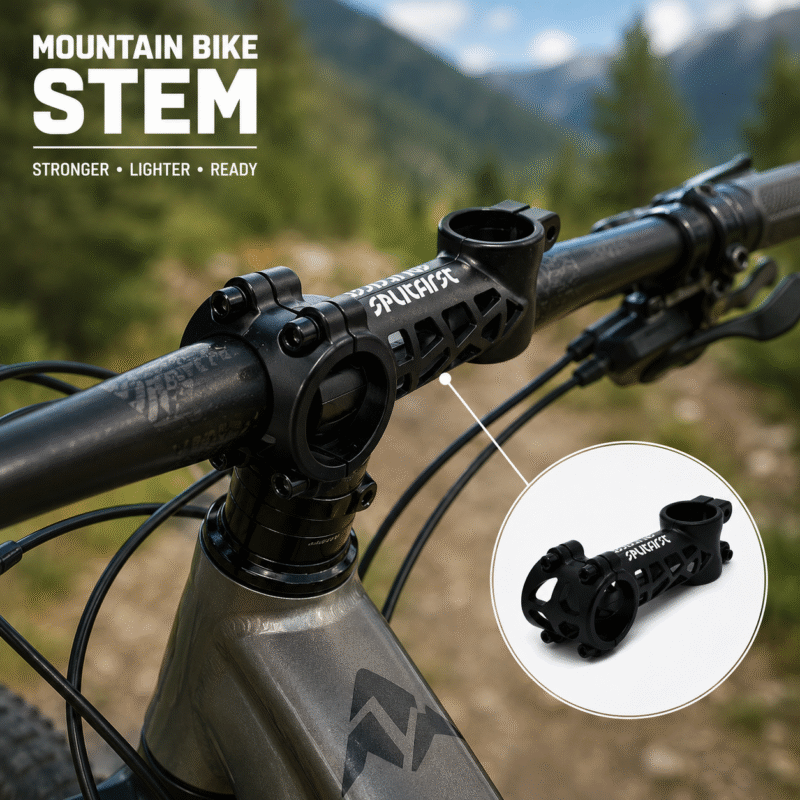
Transform Your Performance on Extreme Slopes
Can a simple cockpit component swap truly redefine your climbing efficiency and trail times over mountain terrain? The empirical athletic biomechanics data confirms that dropping front weight yields massive speed benefits for riders.
By moving away from heavy stock components toward an advanced lightweight bicycle stem, you master steep gradients. Deploying high-performance climbing efficiency on steep gradients components ensures your bike responds cleanly while saving your muscle stamina. Invest in premium steering hardware today to drop your personal records and conquer your local mountain peaks.